Inside Anahata Graceland’s Royal Frenchel:
What If Dogs Were Bred for the Lives People Actually Live?
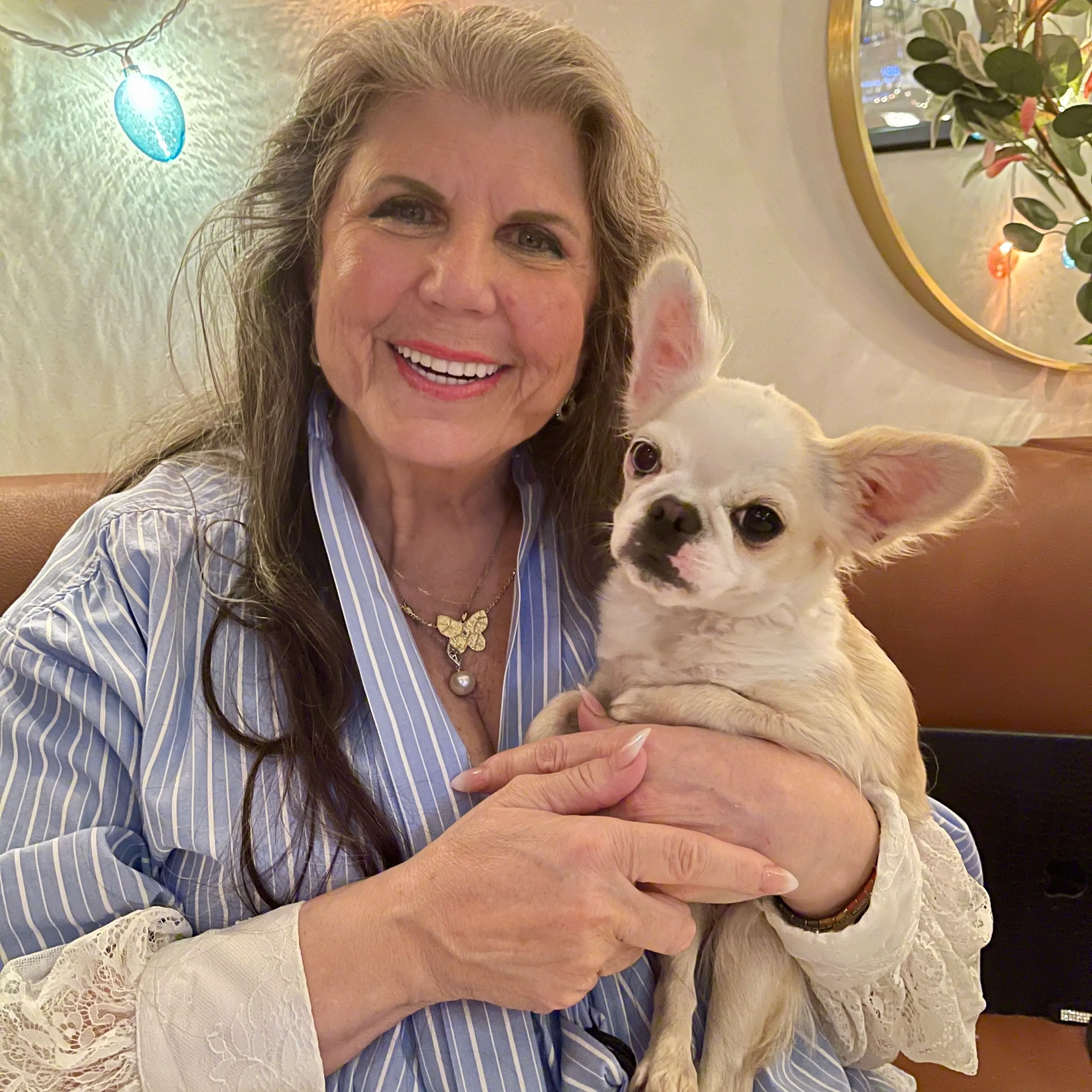
For Anahata Graceland, founder of Royal Frenchel, her life’s work has always been guided by a singular devotion to the inner world of dogs and the intelligence that shapes their bond with humans. After more than five decades working alongside animals, she has come to see companionship not as ownership, but as a living relationship that deserves intention, respect and care.
“I don’t ever remember not wanting to do this,” she says. “My first litter was when I was a child. Dogs have always been my world.” When Graceland was a child, she suffered from a brain disease, and it left her communicating primarily intuitively with the world, including dogs. It introduced her to the depth of intelligence and capability of dogs from a very different vantage point, which became her philosophy of breeding. That early experience translated into over 50 years of passionate love for breeding Boxers and French Bulldogs.
Royal Frenchel emerged from both love and necessity. Later in life, her daughter, Sachi, faced cancer, and she needed a service dog capable of navigating hospitals and high-stress environments without the health vulnerabilities common in many modern breeds. French Bulldogs, she knew, were increasingly burdened by a range of health problems. “I stood in my kitchen and realized I had to create something different,” she recalls. “I saw it clearly, a new kind of dog, designed for today’s lifestyles.” Drawing on decades of experience, she developed what would become the Royal Frenchel Frenchie.
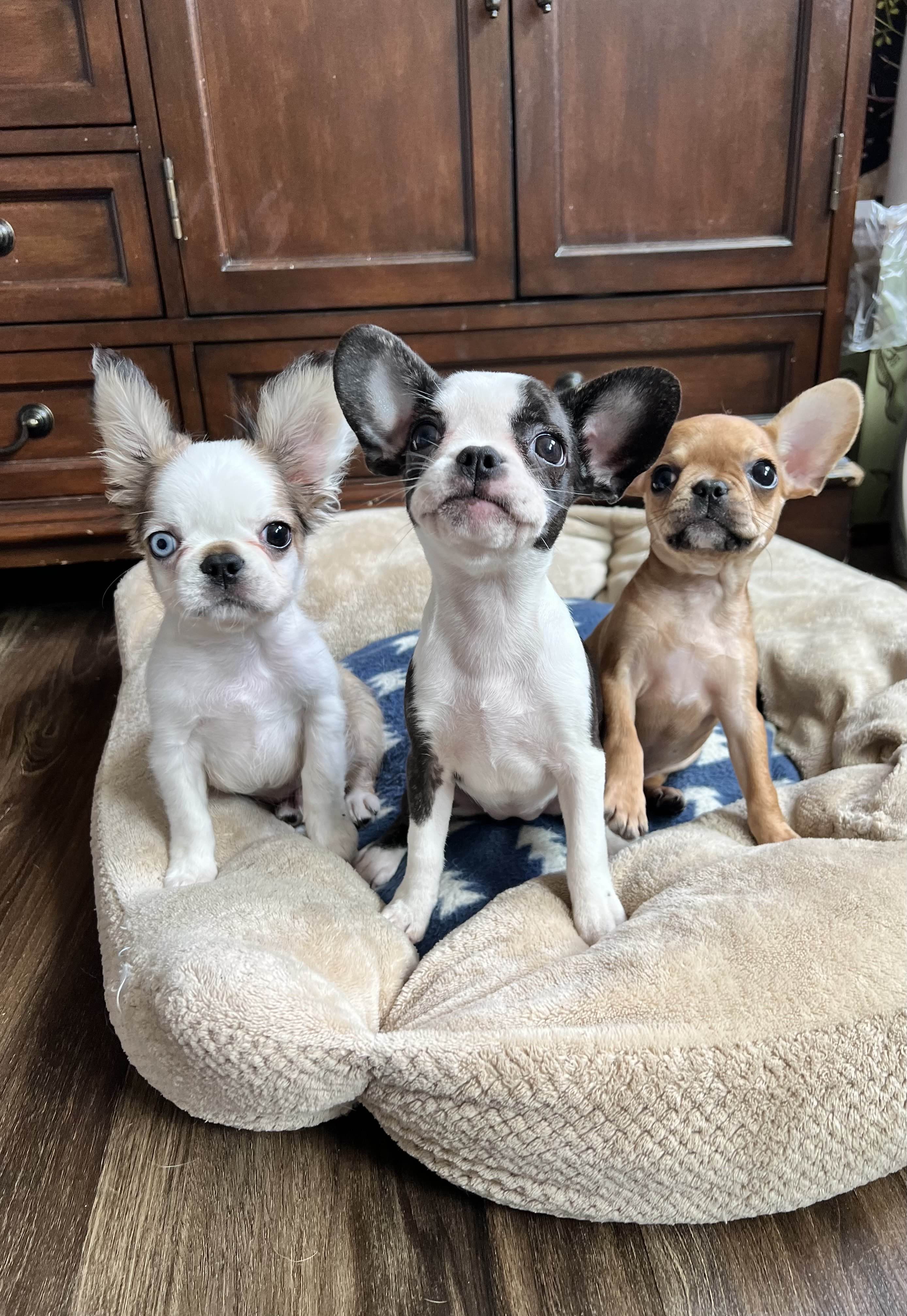
The breed was intentionally designed to support modern life, intended to be adaptable, affectionate, emotionally attuned, travel-friendly and physically resilient. According to Graceland, the Royal Frenchel was intentionally developed over many generations from a blend of breeds, most notably the French Bulldog and the Cavalier King Charles Spaniel, to create a companion dog with fewer chronic health concerns than are commonly seen in standard French Bulldogs. Research has shown that French Bulldogs experience a high rate of health problems compared with other dogs, particularly breathing and skin disorders associated with their extreme conformation.
Graceland notes that the Royal Frenchel was created to move away from these challenges by emphasizing healthier respiratory structure, greater genetic diversity and overall physical resilience. According to her, Royal Frenchel Frenchies are bred for easy breathing, broad environmental adaptability and suitability as low‑shedding, allergy‑friendly companions.
They are available in four sizes, from regular to super micro. More importantly, Graceland explains that they are deeply relational. “Their focus isn’t territory or dominance,” she notes. “Their focus is on relationships. Their greatest joy is being with their person.”
That relational quality is not accidental. At Royal Frenchel, puppies are raised through the Love Bucket Routine, a method designed to align their early brain development with human interaction. This approach, combined with daily hands-on practices that treat each dog as an individual from birth, aims to make an enormous difference in producing a well‑socialized companion. Graceland emphasizes that the puppies are welcomed through a ritual that acknowledges them as unique beings with distinct personalities. “We support the blossoming of who they already are,” she says. “That may be part of why they often seem easy to train, emotionally present and tuned in.”
Science, she notes, is now validating much of what she has practiced intuitively for decades. Research shows that owner-dog interaction alters hormone levels: owners typically show increased oxytocin and reduced cortisol, while dogs’ oxytocin varies, and their cortisol may rise depending on the type of touch. “When you truly connect with your dog, your brains may synchronize,” she says. “That state changes how you move through your day.” This insight underpins not only her breeding philosophy but also her broader ecosystem of offerings, including her book The Way of the Dog, educational programs and a growing community centered on loving companionship.
According to Graceland, Royal Frenchel Frenchies have found homes with families, frequent travelers, creatives and executives alike. Many bring their dogs to work, where their calm presence is intended to improve morale and connection. Others rely on them as service or support animals, drawn to their intuitive sensitivity and steadiness. “They’re often known for not being barkers, chewers or anxious dogs,” Graceland notes. “They tend to travel well, often adapt with ease and may stay close because a relationship can feel more like their anchor than their territory.”
In an era where dogs are no longer peripheral pets but central family members, Graceland’s approach suggests that the future of dogs may be shaped as much by emotional intelligence and lifestyle alignment as by health and longevity. At the center of everything is a reverence for the ancient partnership between humans and dogs. Graceland views it as miraculous, shaped over a millennium through shared survival, work and companionship.
“Dogs and people have been sharing a very close relationship, a symbiotic relationship, for centuries,” she says. “They can read us in ways we barely understand. I believe they can know our chemistry, our emotions and even our intentions, relaxing our nature and supporting our health.” This inherent connection, she believes, positions dogs as a supplement in the world to complete a human being.
Royal Frenchel stands as a modern expression of that timeless bond. Part ethical breeding program, part educational ecosystem and part philosophical mission, it reflects Graceland’s lifelong devotion to honoring dogs as sentient partners rather than commodities. She says, “This work is about relationships, joy, respect and about remembering what’s possible when two species truly meet each other.”
Through years of lived experience, deliberate breeding and a unique ecosystem, Graceland has shaped a lineage grounded in awareness, responsiveness and relationship. Dogs are raised to engage with people in a way that feels natural and reciprocal, shaped by daily interaction rather than rigid training. What emerges is not simply a companion but a presence that fits into life with ease and meaning. In that quiet alignment between human and dog, Royal Frenchel expresses its true purpose of supporting a way of living rooted in connection and mutual understanding.
What has emerged alongside the Royal Frenchel is something broader than a breeding program. Graceland has built an ecosystem around how people and dogs live together today, one that extends beyond genetics into culture, technology, and community. Through creative projects exploring interspecies communication, such as the Doglish to English cartoon line, and guided community experiences designed to strengthen human-canine bonds, such as The Way of the Dog Skool Community, her work reflects a larger shift in how companionship itself is being redefined.
“There is a reason why dogs are considered family,” she adds. “They may be a different species, but they touch the heart of our souls, and we touch theirs. And it’s an unspeakable thing in the world, which I want to help bring to words and choice for the sake of dogs and their people.”


.png)